Splash Blocks vs. Downspout Extensions: Which Protects Olympia Yards Better?
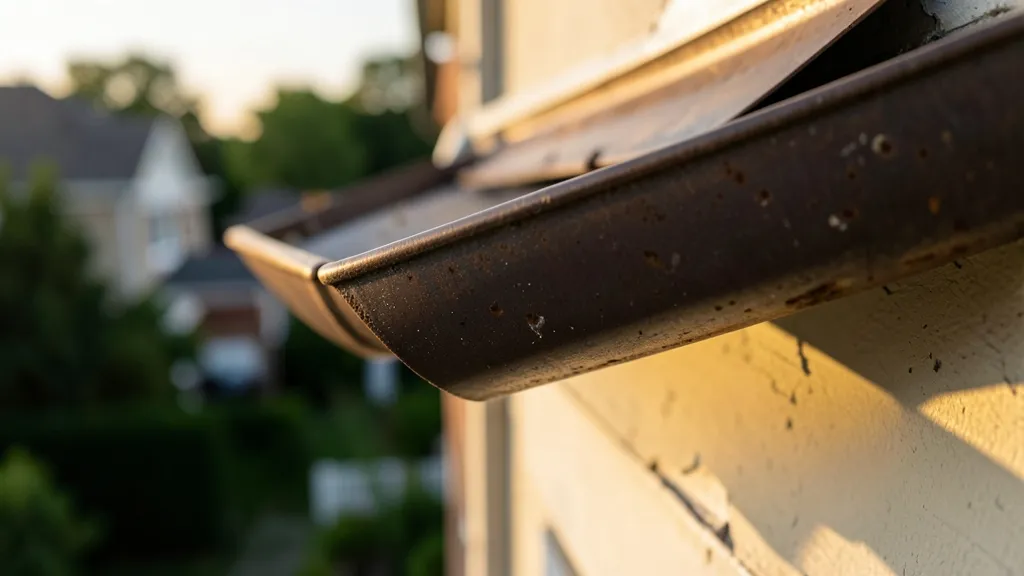
Olympia’s rainy climate demands smart gutter drainage. Splash blocks and downspout extensions both redirect water away from your foundation, but they work differently—and one may suit your yard far better than the other.
Why Drainage Matters in the Pacific Northwest
Our region’s heavy, persistent rain can overwhelm gutters and dump hundreds of gallons near your home’s base. Without proper diversion, that water erodes soil, cracks driveways, and seeps into basements.
Even well-maintained gutters fail if the downspout releases water too close to the structure. That’s where splash blocks and extensions come in—both are critical for long-term gutter system performance.
What Are Splash Blocks?
Splash blocks are concrete, plastic, or stone troughs placed beneath downspouts. They catch roof water and spread it over a wider area, reducing the force that causes erosion.
Best for sloped yards, they’re simple, low-cost, and require minimal installation—just level ground and a stable base. However, they can shift or crack under freeze-thaw cycles common in Tumwater and Lacey winters.
Plastic splash blocks resist cracking in cold weather but may degrade under UV exposure. Concrete lasts longer but can chip under heavy flow or ice.
What Are Downspout Extensions?
Extensions are rigid or flexible pipes that carry water farther from the house—often 4 to 10 feet away. They’re ideal for flat or poorly graded yards where water pools near the foundation.
Flexible corrugated versions are easy to adjust but can kink or clog with debris. Rigid PVC or aluminum extensions last longer but require precise grading to ensure proper flow.
Side-by-Side: Splash Blocks vs. Downspout Extensions
The right choice depends on your yard’s slope, soil type, and landscape features. Below, we compare the two on key factors Olympia homeowners care about.
| Feature | Splash Blocks | Downspout Extensions |
|---|---|---|
| Installation | Simple, no tools required | Moderate; may need trenching or connectors |
| Water Discharge Distance | Short (1-3 feet) | Long (4-10+ feet) |
| Durability | Moderate; can crack or shift | High (rigid) to moderate (flexible) |
| Maintenance | Low; occasional repositioning | Moderate; check for clogs or kinks |
| Best For | Sloped yards, minimal grading | Flat yards, poor drainage, foundation protection |
| Cost Factors | Material, size, weight | Length, material, complexity of routing |
When Splash Blocks Fall Short
In low-lying areas like parts of Yelm or DuPont, splash blocks often can’t handle the volume. Water may overshoot or pool, leading to muddy patches or even basement leaks.
They also struggle with heavy clay soils common here, which absorb water slowly. In these cases, extensions—or even a French drain—are the smarter upgrade.
Never place a splash block on loose gravel or uneven ground. It’ll tilt, sending water back toward your foundation—defeating the purpose entirely.
Downspout Extensions: The Long-Reach Solution
For homes in Lacey or Tumwater with flat lots, extensions are often the better pick. They channel water to a safe discharge point, like a storm drain or dry well.
Pop-up emitters—a type of buried extension—are a clean, hidden option. They only appear when water flows, then retract. Great for manicured yards but require professional installation.
Hybrid Solutions for Tough Terrain
Sometimes, the best system combines both. Use an extension to carry water most of the way, then a splash block to disperse the final flow gently across a garden bed or lawn.
This approach works well in Tenino’s rolling landscapes, where a single solution rarely suffices. Just ensure the extension’s outlet is slightly elevated to feed into the splash block smoothly.
Hybrid Setup Checklist
- Measure total distance from downspout to safe discharge point
- Ensure extension slope is at least 1/4 inch per foot
- Use a splash block rated for your roof’s drainage volume
- Secure all connections with waterproof sealant or clamps
Maintenance Tips to Extend Lifespan
Both systems need seasonal checks. Clear debris from splash blocks after fall leaf drop—especially with Olympia’s bigleaf maples. Extensions should be flushed and inspected for cracks or separations.
In winter, ensure neither is blocked by ice dams. Frozen blockages can force water to back up into gutters, leading to costly repairs or even roof damage.
Disconnect flexible extensions before the first freeze to prevent ice damage. Reattach them in spring when temperatures rise.
How to Install a Downspout Extension
Adding an extension is a straightforward DIY project for most homeowners.
- 1Measure and Plan
Determine the path from the downspout to your discharge point. Account for obstacles like walkways or plant beds.
- 2Choose Your Material
Rigid PVC is durable for permanent setups; flexible corrugated pipe works for temporary or adjustable routes.
- 3Attach to Downspout
Use a downspout elbow or adapter to connect the extension. Secure with screws or snap fittings, depending on the material.
- 4Lay and Secure the Extension
Run the extension along the ground, ensuring a slight downward slope. Use stakes or landscape pins to hold it in place.
- 5Test the Flow
Run a hose into the gutter to check for leaks or kinks. Adjust the slope if water pools or backs up.
Frequently Asked Questions
Do splash blocks work in heavy clay soil like we have in Olympia?
Splash blocks can help, but clay’s slow absorption often means water will still pool. Extensions or underground drains are usually more effective for clay-heavy yards.
Can I bury a downspout extension?
Yes, but use a solid pipe (not corrugated) and ensure it slopes correctly. Pop-up emitters are a buried option that only appear when water flows, keeping your yard tidy.
How often should I replace splash blocks?
Concrete splash blocks can last 10–15 years, but plastic ones may need replacing every 5–7 years due to UV damage or cracking. Inspect annually for wear.
Will a longer downspout extension prevent basement flooding?
It can significantly reduce the risk by moving water farther from your foundation. For severe flooding, pair extensions with proper grading and, if needed, a sump pump system.
Are there local regulations in Olympia about downspout drainage?
Olympia and Thurston County typically require downspouts to discharge onto your property, not into streets or neighbors’ yards. Always direct water to a permeable area or approved drainage system.
What’s the best option for a steeply sloped yard in Tumwater?
Splash blocks are often sufficient if the slope naturally carries water away. For very steep grades, a short extension can help control the flow before it gains too much speed.